
Best Woodworking Plans for Beginners – Start Your First Project Today
Published Under:
Table of Contents
Are you drawn to the charm of hand-built furniture but unsure where to begin? If you’ve always admired the craftsmanship behind a well-made wooden table or dreamed of creating your own rustic bookshelf, you’re not alone.
Getting started in woodworking can be thrilling, but sifting through complicated blueprints, scattered advice, and expensive tools can leave any beginner feeling overwhelmed.
This guide is dedicated to you—the future woodworker eager to create lasting pieces but seeking a clear path forward.
I’ll walk you through the best woodworking plans for beginners, share real-life project ideas, provide expert insights for getting started, and introduce you to a massive resource: Teds WoodWorking Plans. By the end, you’ll feel confident to unleash your creativity and start your very first project today.
Why Woodworking is the Perfect Hobby for Beginners?
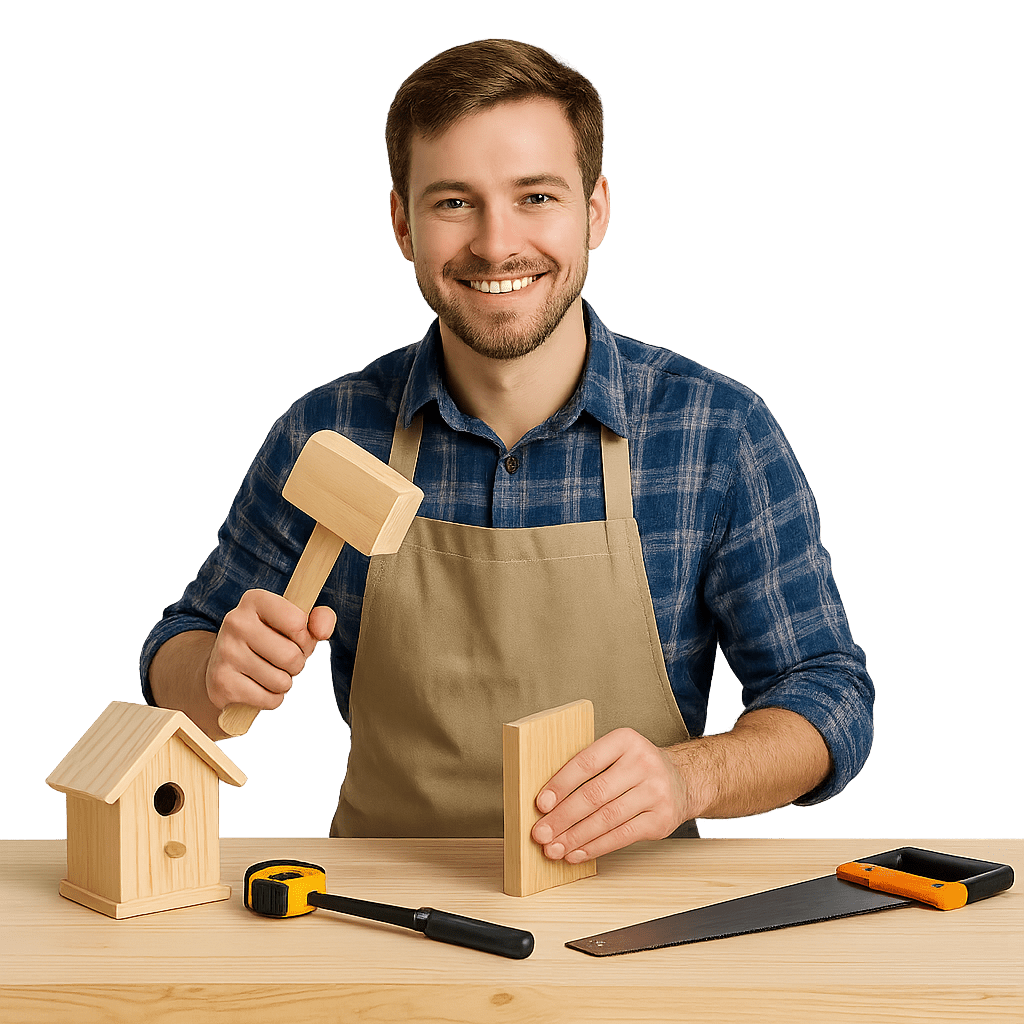
Woodworking isn’t just about making furniture. It’s about learning a skill, creating personalized gifts, and discovering a satisfying creative outlet. Unlike painting or sculpting, woodworking offers tangible results—often in the form of useful objects for your home.
Relatable Scenario: Finding Your First Project
Imagine Sarah, a busy office worker who wanted a small shelf for her growing plant collection. She hesitated at first, worried the project might be too complicated. But with the right beginner plan, she built a beautiful wooden shelf in one weekend—and found herself hooked.
Expert Tip: Always start with something useful and manageable. A shelf, picture frame, or simple stool builds foundational skills fast without demanding specialty tools.
What Makes a Woodworking Plan “Beginner-Friendly”?
The best woodworking plans for beginners have a few key attributes:
- Clear, step-by-step instructions: No confusing jargon or advanced techniques.
- Simple tool requirements: Plans should avoid specialty equipment.
- Project variety: From storage solutions to simple toys.
- Detailed diagrams and measurements: Visual aids are crucial.
- Time estimates: Helping you plan around your schedule.
Real-life Example: Tim’s Trouble with Vague Blueprints
Tim bought a free online blueprint for a coffee table. The instructions skimmed over joinery and assumed he owned a table saw. Frustrated, Tim searched for plans with better diagrams and guidance—and finally succeeded with a beginner-focused project.
Industry Insight: Many amateurs waste materials or abandon their first project because of unclear instructions. Choose plans that clarify every step and list all required tools upfront.
Top 5 Woodworking Projects for Absolute Beginners

Let’s break down five projects anyone can tackle, each providing useful skills and a proud result.
1. Simple Bookshelf
A basic bookshelf teaches you to measure, saw, and assemble with minimal joints. It’s perfect for holding books or decorative items.
- Scenario: Emily wanted space for her daughter’s storybooks. She followed a beginner’s plan, learned to use a drill, and finished the build in just one afternoon.
Expert Commentary: Mastering the bookshelf project sets you up for mastering larger furniture pieces later.
2. Birdhouse
Compact, beginner-friendly, and fun—birdhouses introduce you to precise sawing and nailing techniques.
- Scenario: Mark built his first birdhouse with scrap wood in his garage. His kids loved decorating it afterward.
Tip: Use plans that provide exact measurements—this minimizes frustration with fit and alignment.
3. Picture Frame
Frames are great for learning simple miters and sanding. Plus, they make excellent personalized gifts.
- Scenario: Maria created custom frames for family photos, giving her practice with finishing and surface treatments.
Expert Commentary: Starting with a frame enhances your confidence with detail work and finishing touches.
4. Storage Crate
Crates teach you assembly basics and offer handy storage.
- Scenario: Derek built a storage crate to declutter his entryway and was surprised at how sturdy and stylish it turned out.
Tip: Wooden crates offer creative freedom—paint, stain, or personalize them.
5. Garden Bench
Once you’ve mastered smaller projects, a simple bench can be your proud showpiece.
- Scenario: Lily constructed a bench from a beginner’s plan for her backyard. Sitting on something she built herself was deeply satisfying.
Insight: Take it one step at a time. Benches involve basic joinery—a great stepping stone to advanced skills.
How to Choose the Best Woodworking Plans for Beginners
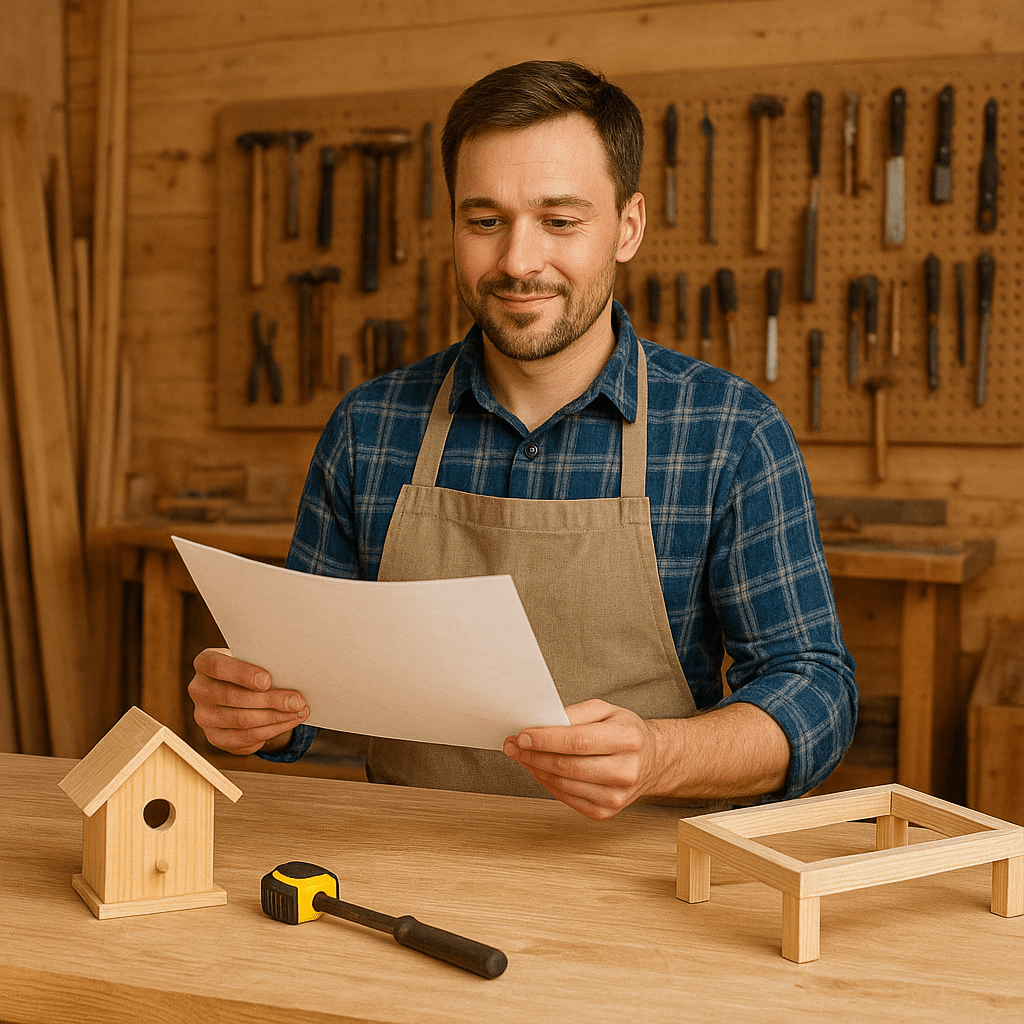
Selecting the right plan is crucial for enjoying your first project. With many options online, here’s what you should look for:
Step-by-step Diagrams and Blueprints
Plans with clear visuals help prevent crucial mistakes. Avoid generic sketches—seek out color-coded, numbered diagrams.
- Real-life Example: Ben tried building a spice rack from a text-only plan and ended up with uneven shelves. After switching to a plan with 3D diagrams, his second attempt was flawless.
Industry Expert Tip: Visual instructions are worth their weight in gold—they remove guesswork and ensure your cuts are accurate.
Material Lists and Tool Recommendations
A complete material list guarantees you won’t make extra trips to the hardware store.
- Scenario: Aisha started a project with only vague material guidance, resulting in wasted lumber. A better plan, with exact dimensions and quantities, made all the difference.
Commentary: Reliable plans recommend tools accessible to beginners—hand saws, cordless drills, measuring tape—not expensive specialty gear.
Skill-building Progression
Plans should offer a logical progression, allowing you to build confidence as you go.
- Scenario: Jake worked through a sequence of starter projects. He started with picture frames, moved up to storage crates, and is now tackling small tables.
Insight: A good plan collection, like the one in Teds WoodWorking Plans, helps you advance smoothly. Each project is designed to build on your previous experience.
Introducing: Teds WoodWorking Plans
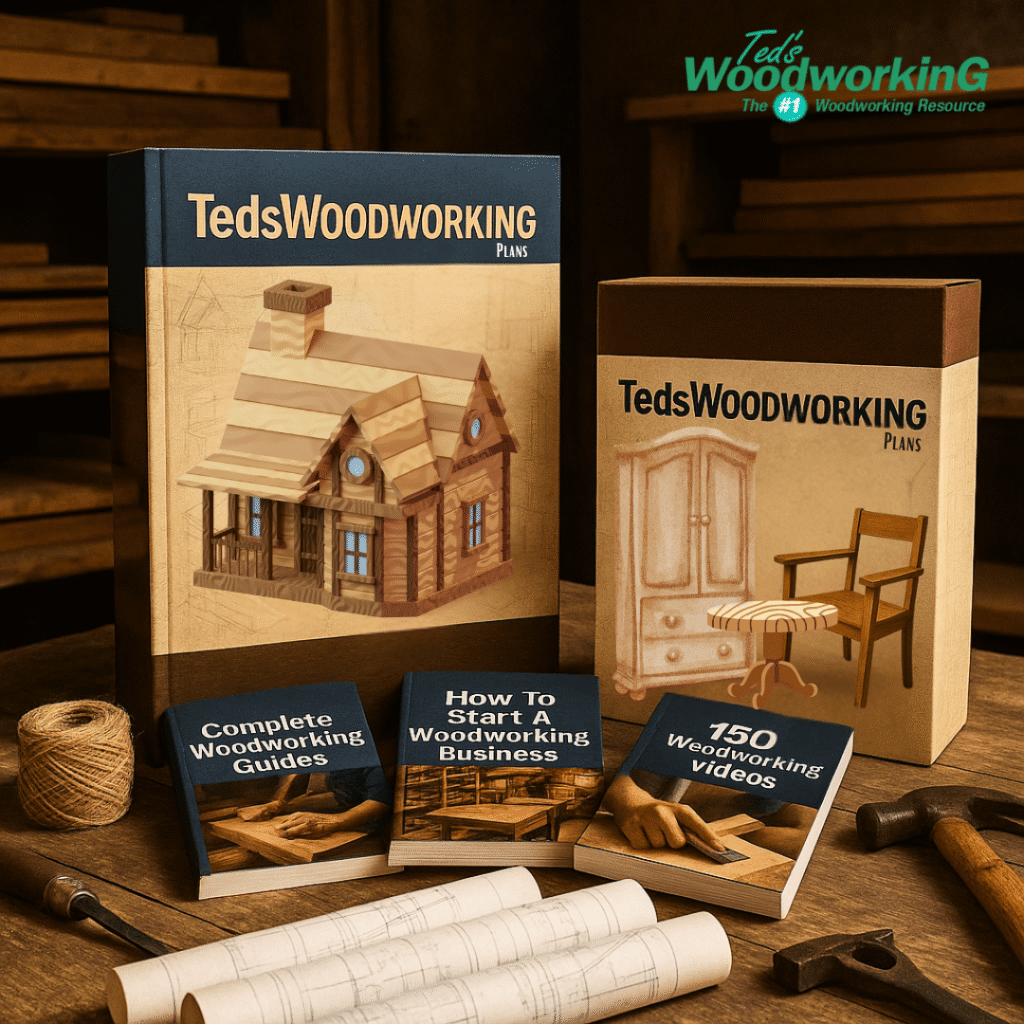
If you want a shortcut to woodworking success, Teds WoodWorking Plans is hard to beat. This massive digital package contains more than 16,000 detailed woodworking plans, accessible for all experience levels—from kitchen organizers, garden furniture, to playful children’s toys.
Why Choose Teds WoodWorking Plans?
- Step-by-step instructions: Each plan breaks down tasks with photos, diagrams, and easy-to-follow directions.
- Material lists and tool guidance: You’ll know exactly what to buy before starting.
- Complete Project Variety: From classic to creative designs—bookshelves, benches, cabinets, and more.
- Support and Community: You gain access to a community of fellow builders and experts ready to answer questions.
- Lifetime updates: Stay current with the latest trends and ideas.
Real-life Testimonial: Starting With Confidence
A friend, Kevin, purchased Teds WoodWorking Plans as a beginner. He started with a spice rack using the step-by-step guide, then quickly moved on to bigger projects like an outdoor bench. The confidence and skills he gained inspired him to tackle more challenging builds.
Expert Insight: With clear diagrams and troubleshooting tips, these plans minimize confusion and help ensure a rewarding experience.
Disclaimer: While woodworking is generally safe, always use protective gear and follow recommended safety procedures.
Expert Tips for Starting Your First Project Today
- Pick a project you’re excited about. Enthusiasm is half the battle.
- Read the entire plan first. Don’t rush in—preview all steps.
- Create a workspace. Clear an area with good lighting and keep it organized.
- Double-check measurements. Small errors add up.
- Practice patience. The best results come from steady progress, not rushing.
- Seek support. Join online forums or consult resources like Teds WoodWorking Plans for advice.
Conclusion: Ready to Start Your Woodworking Journey?
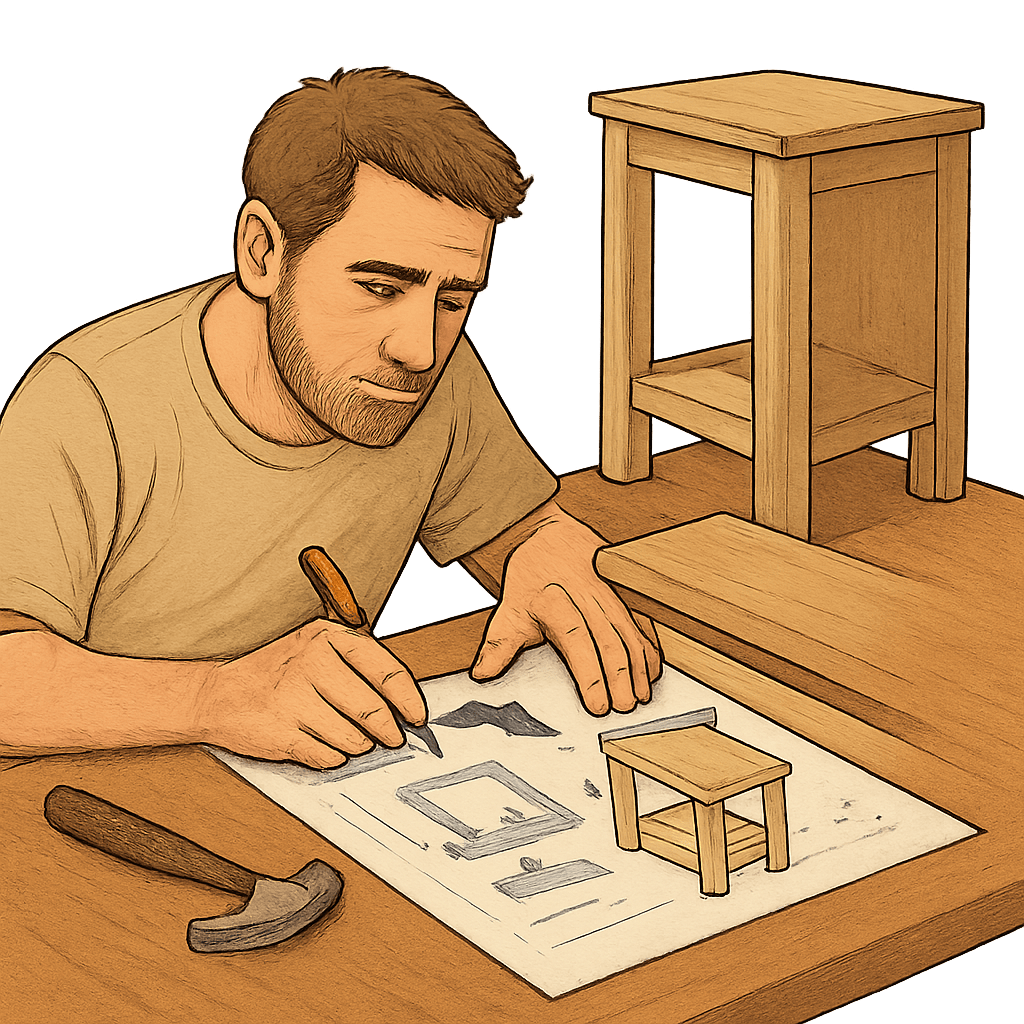
Starting woodworking as a beginner doesn’t have to be intimidating. With the right project plans, basic tools, and a can-do attitude, anyone can build something remarkable.
We’ve explored the characteristics of great beginner woodworking plans, shared real projects and lessons from novices, and spotlighted the value of having a comprehensive resource like Teds WoodWorking Plans.
Your next step: Choose a beginner project that excites you and grab a woodworking plan tailored for first-timers. Whether you use free guides or invest in a comprehensive collection, remember—the main ingredient is your willingness to learn.
So, roll up your sleeves, pick your wood, and start building. Your first woodworking project awaits—and it might just be the first of many!
Ready to take the leap? Explore thousands of beginner-friendly plans now and make your dream project a reality with Teds WoodWorking Plans.
FAQs: Woodworking for Beginners
What tools do I really need to start?
You’ll need basic tools like a measuring tape, saw, hammer, drill, and sandpaper. Specialized equipment can come later.
How much does it cost to start woodworking?
Beginner projects can often be completed for under $50, especially if you use reclaimed wood or materials on hand.
Can I build furniture in an apartment?
Yes! Small projects don’t require much space, and many plans are designed for compact environments.
How can I avoid common beginner mistakes?
Read the plans carefully, measure twice (cut once), and don’t hesitate to ask questions in online woodworking communities.