
Buy Furniture Woodworking Plans to Create Stunning DIY Pieces
Published Under:
Table of Contents
If you’ve ever walked through a furniture store, admired a gorgeous handcrafted piece, and then glanced at the astronomical price tag, you’re not alone. Many homeowners are shocked at how much even simple, solid-wood furniture can cost.
But here’s a little secret: with the right woodworking plans, tools, and guidance, you can build custom furniture that looks like it came out of a high-end catalog—at a fraction of the cost.
The key? Choosing the right furniture woodworking plans. In today’s post, I’ll walk you through why buying detailed woodworking blueprints is a game-changer, how it saves you time (and money), and why bundles like Teds WoodWorking Plans are trusted by thousands of DIYers.
By the end, you’ll feel confident knowing exactly how to start building stunning DIY furniture that fits your space, your style, and your budget.
Why Buying Furniture Woodworking Plans is Essential
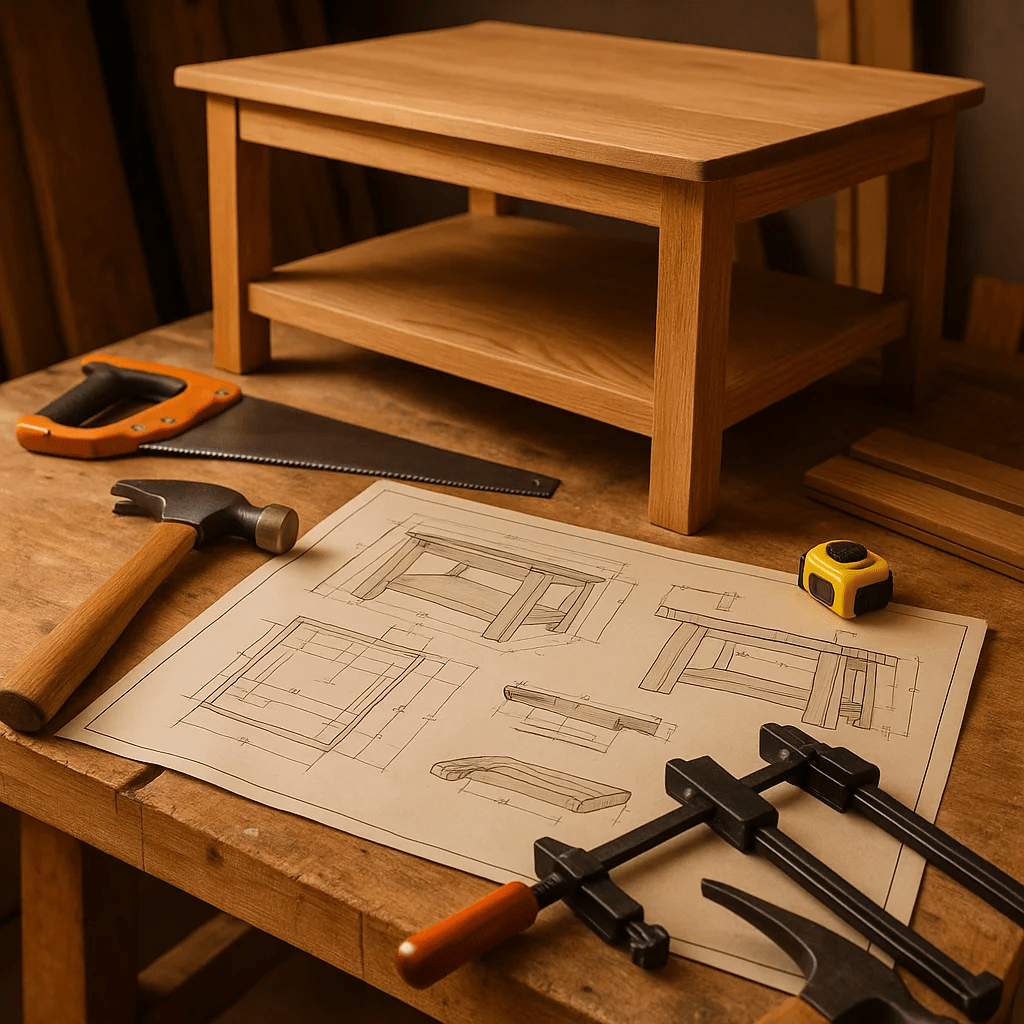
Most beginner DIYers make the same mistake: they rely on free sketches from Pinterest or incomplete diagrams from random blogs. On the surface, this seems like an easy, budget-friendly option. But here’s the truth: poorly detailed plans cause frustration, wasted wood, and unfinished projects.
A Relatable Example: The $200 Coffee Table Mistake
A friend of mine once tried building a farmhouse-style coffee table using a free plan online. The instructions were vague, measurements didn’t quite match, and nowhere did the plan mention the type of screws or joints.
After three weekend attempts and almost $200 in wasted wood, the table still wobbled. He eventually scrapped it and bought a new table.
The lesson here is simple: precision matters. When you buy furniture woodworking plans, you’re not just buying diagrams—you’re buying clarity.
Premium blueprints give you exact measurements, cut lists, material suggestions, and even 3D visuals that ensure nothing gets lost in translation.
Advantages of Using Professional Woodworking Plans
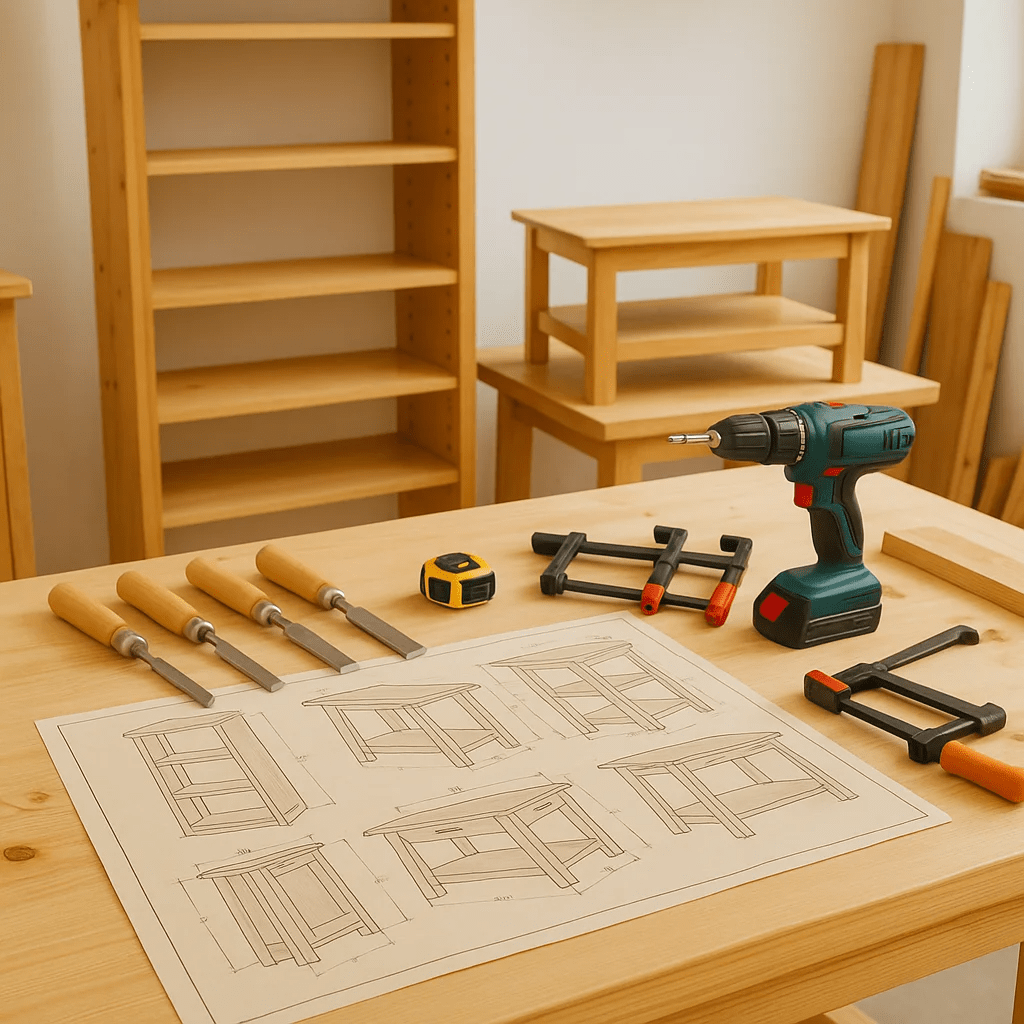
Having created a fair share of DIY furniture myself, I’ve discovered several benefits of using professional plans.
1. Save Time and Eliminate Guesswork
Instead of going back and forth trying to figure out “what goes where,” detailed guides free you to focus on the building itself. For example, when I built a custom shoe rack last year, I used a step-by-step woodworking guide. The entire process took me one weekend. Without diagrams and a cut list, it would have been a month-long ordeal of trial and error.
2. Create Furniture That Looks Professional
A big frustration for many newbies is that their final piece doesn’t quite look right. Slightly crooked legs, uneven shelves, or unstable joints can make your furniture look “DIY” in a bad way.
On the other hand, professional plans ensure your measurements align, and that the proportions mimic professionally built items.
3. Budget-Friendly Crafting
Wood and materials are not cheap. Guess wrong on dimensions, and suddenly you’re spending double. High-quality blueprints help you calculate wood requirements upfront, so you can budget accurately.
Why Teds WoodWorking Plans is a Top Choice
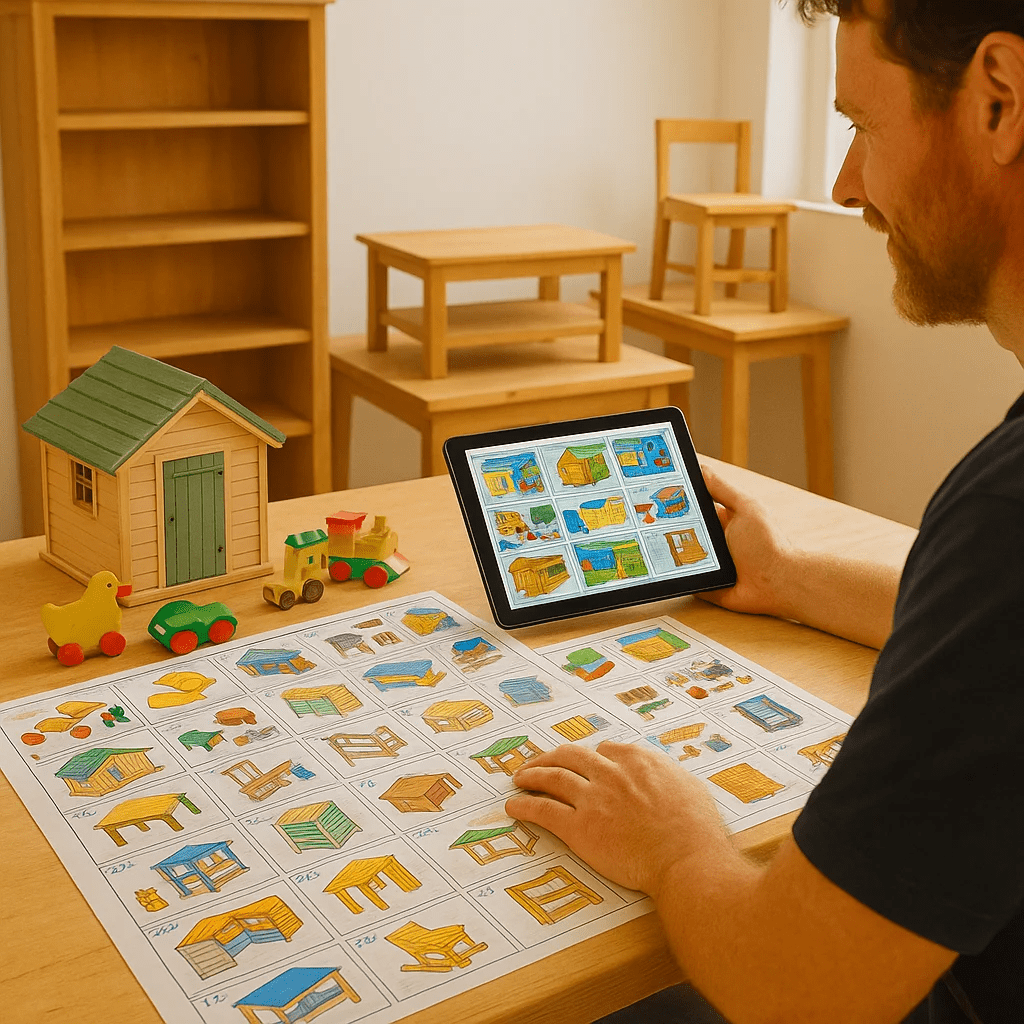
Now, if you’re serious about woodworking, you’ve probably noticed there are hundreds of “plan collections” marketed online. Some are useful—but many are just recycled PDFs you can find elsewhere. The difference with Teds WoodWorking Plans is scale and depth. Here’s why I often recommend it:
1. 16,000 Plans for All Skill Levels
Whether you’re a total beginner making your first end table, or an experienced builder taking on a garden shed, this collection has something for you. No other single package I’ve seen covers such a wide spectrum of projects.
2. Step-by-Step Guidance With Visuals
Each project is broken down into step-by-step instructions with diagrams and 3D illustrations. This way, even if you’ve never held a saw before, you won’t get lost mid-build.
3. Real Example: A DIY Bookshelf Project
One of my readers, Claire, once told me she wanted to build a mid-century bookshelf for her small apartment. She downloaded a design from Teds, followed the material list, and had the bookshelf standing in her living room within five days.
Her proudest moment was when her brother asked, “Wait… you bought this?” That’s the beauty—you can create pieces that rival store-bought furniture.
Types of Furniture You Can Build with Professional Plans
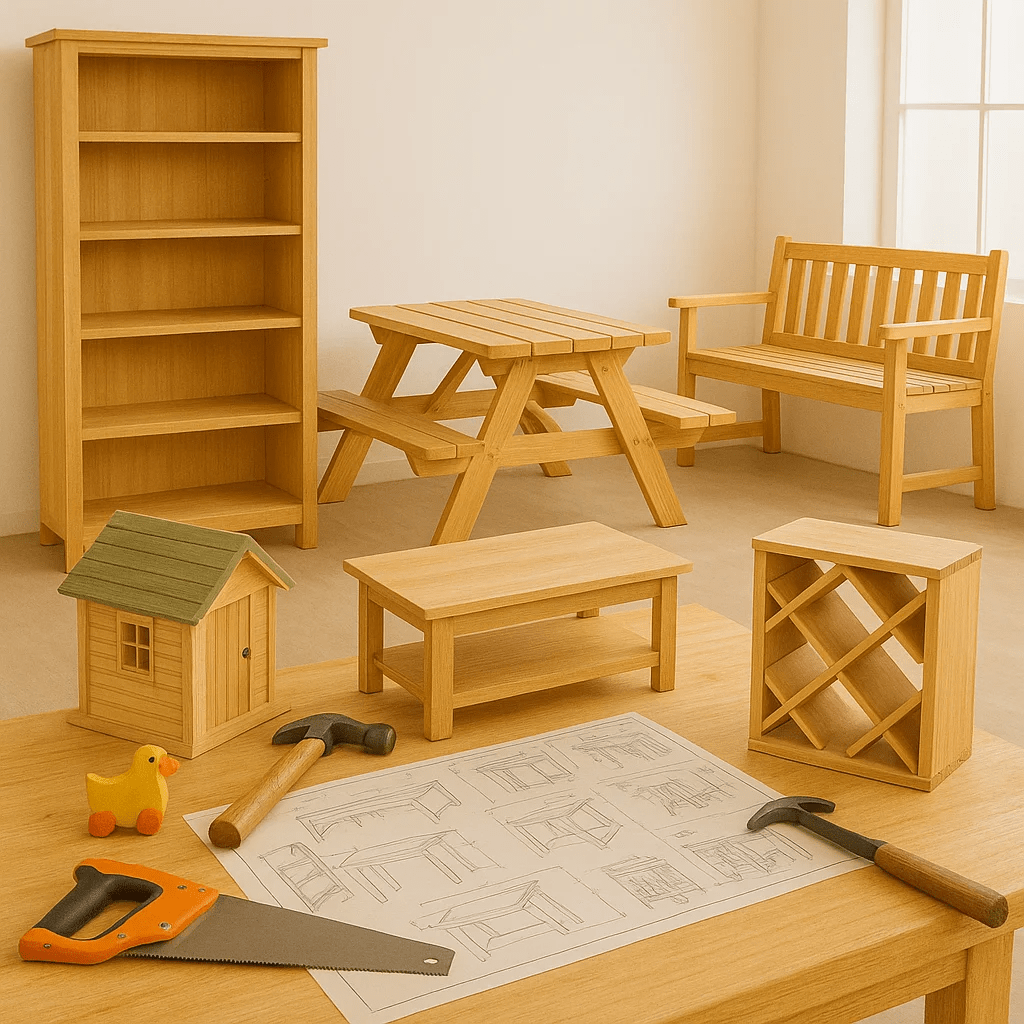
One thing people love about buying furniture woodworking plans is variety. You’re not limited to tables and chairs—you can actually bring your creative vision for your whole home to life.
1. Indoor Furniture
- Coffee tables, dining tables, and side tables
- Bookshelves and display cabinets
- Beds and nightstands
- Storage benches and dressers
Example: I once used a woodworking plan to build a custom headboard. The design included hidden storage space for books—a feature I’d never have thought of without the plan. My wife still insists it’s better than the store-bought ones we looked at.
2. Outdoor Furniture
- Garden benches
- Picnic tables
- Pergolas and gazebos
- Wooden planters
Example: A reader named James shared photos of a patio swing he crafted using Teds WoodWorking Plans. The blueprint included exact angles for the seat slats so the swing was both sturdy and comfortable. His family now spends summer evenings on it—it’s become their favorite hangout spot.
3. Small Decorative Projects
- Wooden toys
- Wine racks
- Candle holders
- Pet houses
Not every project has to be big and time-consuming. Sometimes, building something as simple as a wine rack or jewelry box can spark confidence to tackle more ambitious furniture.
Common Roadblocks and How Plans Help You Avoid Them
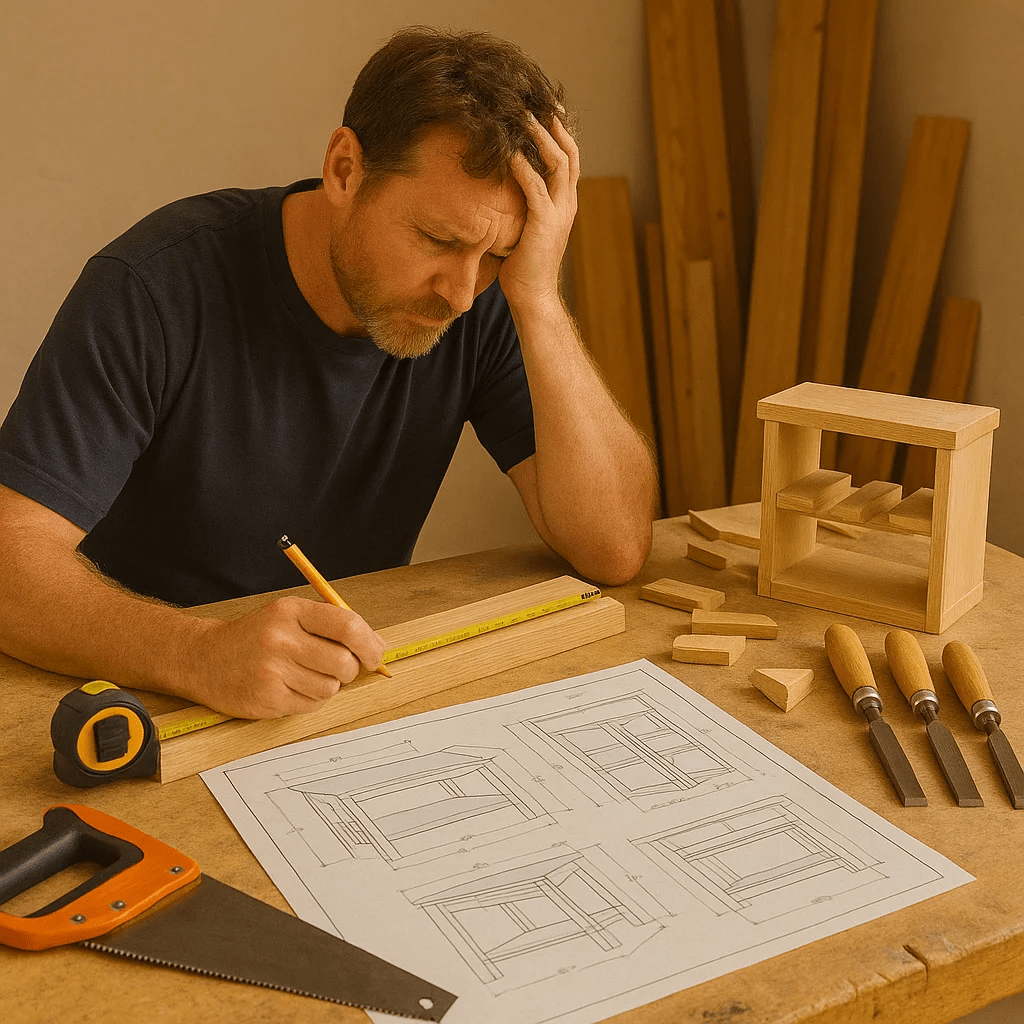
Every DIYer eventually bumps into challenges. Luckily, good woodworking plans anticipate common mistakes and guide you around them.
1. Problem: Incorrect Measurements
Without precise blueprints, you can end up cutting wood too short or too long. Plans include cut lists that prevent this.
Real-life Example: I once cut four chair legs of slightly different lengths because I didn’t measure correctly. The result? A rocking chair I never intended. A reliable plan would’ve saved me from the extra trip to the lumberyard.
2. Problem: The Wrong Wood Choice
Not all woods perform the same way. Oak and pine behave differently under stress. Professional plans usually recommend the ideal type of wood per project.
3. Problem: Insufficient Tools
Plans can also highlight what tools you’ll need upfront. This prevents the headache of getting halfway through and realizing you don’t have the right drill bit.
Expert Tips When You Buy Furniture Woodworking Plans
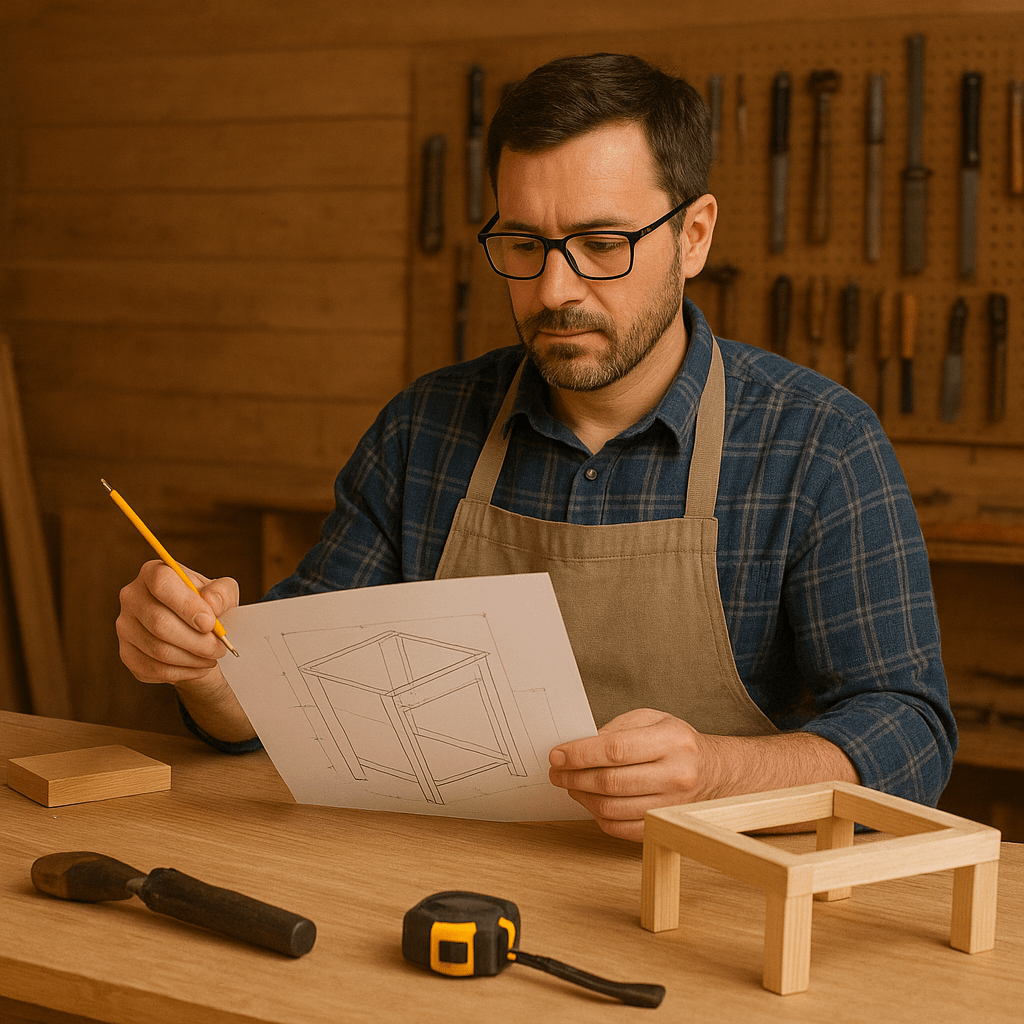
Beyond just buying plans, here are a few key strategies I share with beginner woodworkers:
1. Start Small, Build Confidence
Don’t jump into building a giant entertainment center as your first project. Begin with smaller furniture like stools or shelves. Once your skills grow, scale up.
2. Read the Entire Plan Before Starting
This might sound obvious, but many DIYers skip directly to step one. A quick full read allows you to understand each stage and foresee tricky steps.
3. Prep Your Tools and Workspace
Before you start cutting, make sure your tools are sharp, calibrated, and safe. Working with dull blades not only ruins wood—it increases risk.
4. Customize, Don’t Just Copy
One of the joys of woodworking is personalizing. A plan gives you a foundation, but don’t hesitate to tweak dimensions or finishes to better suit your space.
Is Buying Plans Better Than Learning Freestyle?
Some purists argue that the best way to learn woodworking is by doing it freestyle—figuring things out as you go. While this works for experts who’ve built furniture for decades, beginners simply don’t have that level of experience.
Using detailed woodworking plans is like learning to cook with a recipe. Once you’ve mastered a few dishes, you’ll naturally experiment. Similarly, plans give you the foundation to build correctly and safely. After a while, you’ll have the confidence to design your own.
How to Get Started with Teds WoodWorking Plans
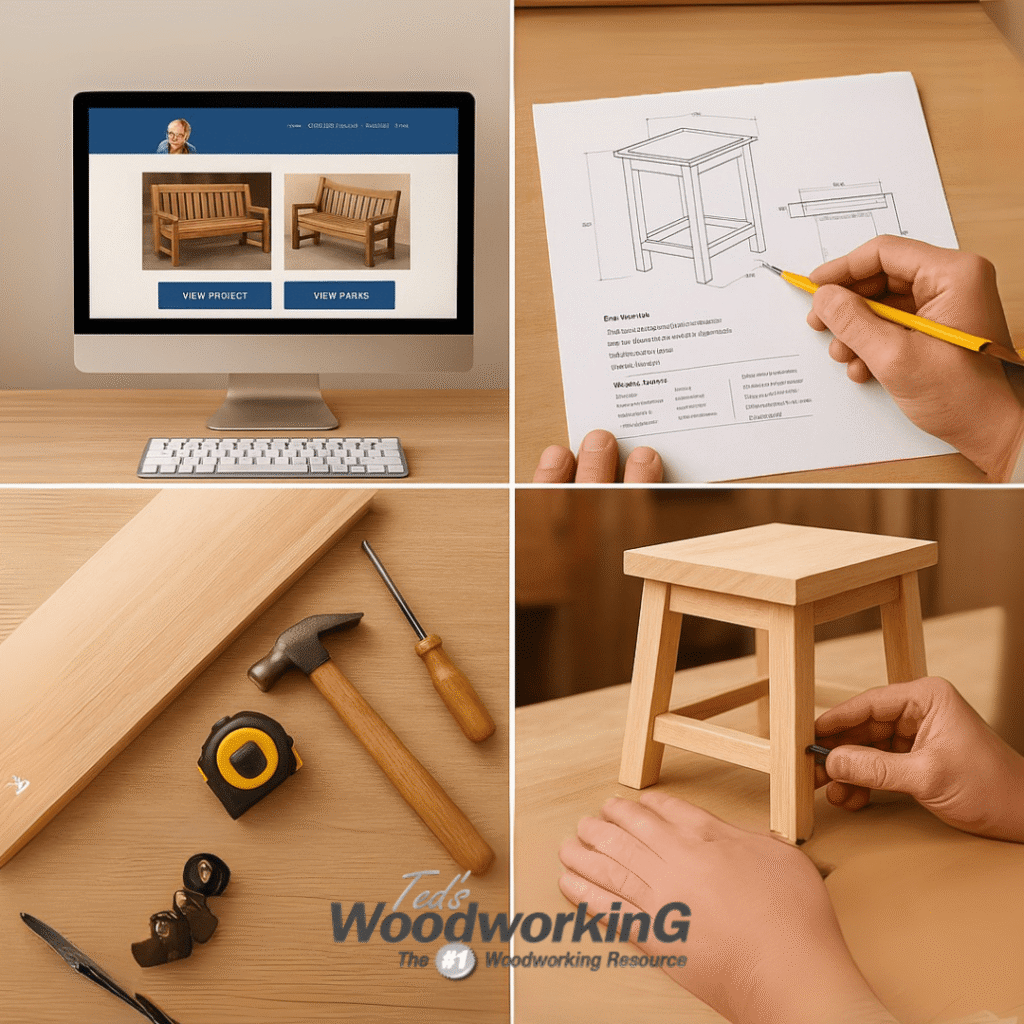
If you’re wondering how to officially start your journey, here’s a simple action plan:
- Visit the Website – Explore the full package at Teds WoodWorking Plans.
- Download a Beginner Project – Choose something achievable like a bench, small table, or bookshelf.
- Gather Tools and Materials – Use the material and cut list provided in the plan.
- Follow the Instructions Step by Step – Take your time—it’s not a race.
- Show Off Your Work – Whether it’s a bookshelf or a birdhouse, display your build proudly. Each project grows your confidence.
Start Building Furniture You’ll Be Proud Of
If you’ve ever dreamed of building beautiful furniture for your home without the guesswork, now is the perfect time to start. Buying professional woodworking plans ensures you’re not wasting hours (or dollars) on trial and error. Instead, you get the satisfaction of creating pieces that are durable, stylish, and entirely yours.
My advice? Don’t reinvent the wheel. Leverage proven designs that have guided thousands of DIYers before you.
With Teds WoodWorking Plans, you’ll unlock over 16,000 ideas ranging from simple shelves to advanced outdoor projects. Whether you’re aiming to save money, spark creativity, or furnish your home with pride, these plans are your gateway.
So if you’re ready, roll up your sleeves, grab your tools, and let your woodworking journey begin. The furniture you once thought you couldn’t afford—you can now build with your own two hands.
FAQs – Buy Furniture Woodworking Plans
Why should I buy furniture woodworking plans instead of using free ones?
Free plans online often lack accurate measurements, material lists, or step-by-step instructions. When you buy furniture woodworking plans, you get detailed blueprints tested for accuracy. This saves you from costly mistakes like cutting wood incorrectly or ending up with unstable furniture. Paid plans, like those in Teds WoodWorking Plans, also include diagrams, 3D visuals, and tool lists designed for all skill levels.
Are furniture woodworking plans good for beginners?
Yes. Buying woodworking plans is especially helpful for beginners because they provide a clear, structured path. If you’re new to DIY woodworking, plans act like a recipe—guiding you step by step. For example, many users start with small projects like stools, shelves, or end tables before moving on to larger furniture pieces. With packages like Teds WoodWorking Plans, you can choose a beginner-friendly project and build confidence quickly.
Can I save money when I buy furniture woodworking plans?
Absolutely. Using detailed plans means you’ll know exactly how much wood, screws, hinges, or finishes you need before stepping into the lumber store. This prevents waste and unnecessary expenses. For example, a poorly drawn free plan may cause you to buy extra boards. When you buy furniture woodworking plans, your materials are listed precisely—helping you stay on budget.
What types of furniture can I build using professional woodworking plans?
When you buy furniture woodworking plans, you’re not limited to one or two types of furniture. You can build:
✅ Coffee tables, dining tables, and nightstands
✅ Bookcases and display cabinets
✅ Beds and storage benches
✅ Outdoor projects like picnic tables, garden swings, or pergolas
Collections like Teds WoodWorking Plans include 16,000 designs, meaning you’ll never run out of ideas for your home, garden, or workspace.
Do I need advanced tools to follow woodworking plans?
Not necessarily. Most DIY furniture plans are designed to be completed with basic woodworking tools like a circular saw, drill, hammer, and tape measure. Some larger builds (like sheds or pergolas) might require more advanced tools such as a table saw or router, but many plans highlight tool alternatives. A professional woodworking plan will spell out exactly what tools are required, so you can prepare before starting.
Can I customize the designs in woodworking plans?
Yes, absolutely. When you buy furniture woodworking plans, think of them as a foundation. You can adjust dimensions, swap materials, or change finishes to match your personal style. For example, one reader used a bookshelf plan but swapped plywood for reclaimed barn wood to give it a rustic feel. The structure stayed the same, but the look was unique. That’s the advantage of working from detailed blueprints—you have the flexibility to personalize safely.
How do I know which woodworking plan is right for my skill level?
Good woodworking plan collections usually categorize projects by difficulty—beginner, intermediate, advanced. As a general rule:
✅ Start with small pieces (stools, shelves, or simple boxes).
✅ Progress to medium builds (coffee tables, outdoor benches).
✅ Move on to advanced projects (bed frames, sheds, outdoor furniture sets).
When you buy a package like Teds WoodWorking Plans, you gain access to a wide range, so you can grow as your skills advance.
Will I really be able to create professional-looking furniture?
Yes. The primary reason to buy furniture woodworking plans is to achieve polished, professional-level results without the trial-and-error stage. With precise measurements, step-by-step walkthroughs, and visuals, you replicate proven designs. Many DIYers even use these plans to launch small side businesses selling handmade furniture.
Is it worth investing in a large collection like Teds WoodWorking Plans?
If you’re serious about woodworking, then yes. Instead of buying single plans for $20–$30 each, you can unlock 16,000+ blueprints in Teds WoodWorking Plans for a one-time price. That means whether you want to build a simple wine rack today, a gazebo next summer, or custom furniture down the road, you’ll already have the designs at your fingertips. It’s a long-term investment in your hobby and home.
Do I need woodworking experience before buying plans?
No. Many people buy furniture woodworking plans as complete beginners. Because quality blueprints are designed with step-by-step instructions, they reduce the learning curve dramatically. Beginners can learn essential woodworking skills while building something manageable. Over time, you gain the confidence to tackle larger furniture projects.