
How to Make Money with Teds Woodworking Plans
Published Under:
Table of Contents
If you’ve ever thought about turning your woodworking hobby into a steady stream of income, you’re not alone. Many passionate woodworkers struggle with the same question: How do I actually make money from this?
Sure, building projects is fun, but without a clear strategy, it’s easy to end up with a garage full of half-finished tables and chairs that never sell.
The good news? With the right tools, resources, and guidance, you can transform your love for woodworking into a profitable side hustle—or even a full-time business.
That’s where Teds WoodWorking Plans comes in. This massive collection of over 16,000 detailed woodworking projects isn’t just about teaching you how to build. It’s also about giving you the flexibility and variety needed to sell your work, build a portfolio, and stand out in the market.
In this guide, we’ll break down step by step how you can make money with Teds Woodworking Plans—from creating sellable products and offering services, to marketing your craft and building long-term income streams.
Why Teds WoodWorking Plans Is the Perfect Starting Point
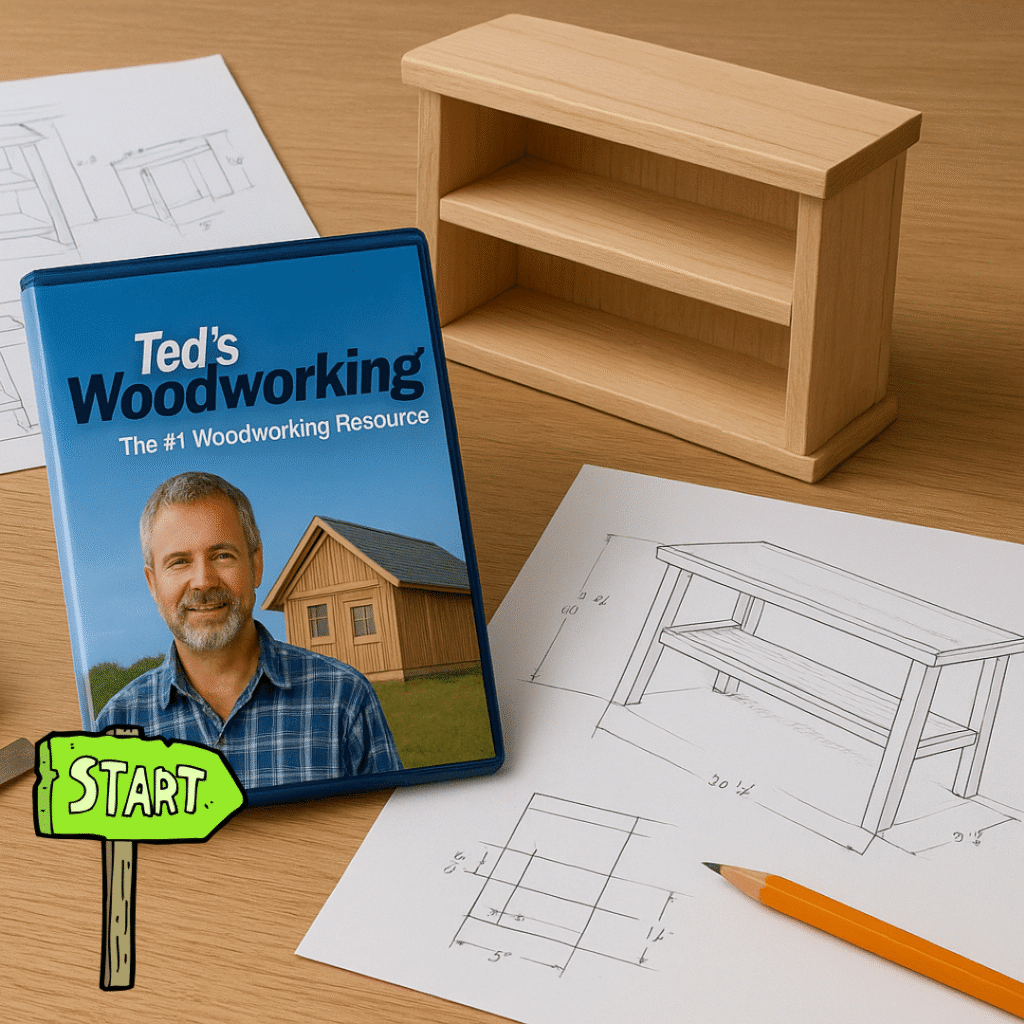
One of the biggest challenges in woodworking is what to build. Most beginners spend hours browsing Pinterest or YouTube only to end up with confusing instructions, missing measurements, or designs that aren’t practical to sell.
Teds WoodWorking Plans solves this problem by giving you ready-to-use, professional blueprints for virtually any type of project. From birdhouses and rocking chairs to outdoor furniture and home décor, the collection includes ideas that fit multiple audiences.
👉 Example: Imagine you’re preparing for a local craft fair. Instead of wasting time experimenting, you can quickly pick 10–15 high-demand, small-sized projects (like jewelry boxes, picture frames, or wine racks) straight from the plan collection. Not only are they beginner-friendly, but they also sell well because they’re both affordable and gift-worthy.
With clear diagrams and step-by-step instructions, you won’t have to second-guess cuts or dimensions. That means fewer mistakes, less wasted material, and more finished products ready to sell.
Pro Tip: Focus on projects that are useful and giftable. Decorative wooden clocks, shelves, and toy chests tend to sell faster than large, bulky furniture—especially when you’re just starting out.
7 Proven Ways to Make Money with Teds Woodworking Plans

Let’s dive into the practical side. Below are seven powerful strategies you can use to monetize your woodworking skills with the help of Teds WoodWorking Plans.
1. Sell Handmade Woodworking Products
The most straightforward way to profit is by building and selling physical items. Thanks to the 16,000 plans, you’ll never run out of ideas or fresh designs to keep your customers engaged.
Real-Life Scenario:
Tom, a weekend woodworker, started selling simple wooden picture frames and jewelry boxes at local farmer’s markets. Using Teds’ plans, he gradually expanded his product line into wine racks and outdoor benches. Within six months, he was making an extra $1,200 per month—just by working weekends.
Where to Sell:
- Local craft fairs and flea markets
- Online marketplaces like Etsy, eBay, or Facebook Marketplace
- Niche Instagram or TikTok shops
- Word of mouth in your local community
Expert Tip: Start with smaller projects that are quick to produce and sell at lower price points. This builds trust with customers before you move on to larger, high-ticket furniture pieces.
2. Offer Custom Woodworking Services
Some clients want unique, made-to-order items. With Teds WoodWorking Plans, you’ll have ready-made blueprints to modify for custom requests.
Relatable Example:
A neighbor might ask for a custom bookshelf to fit an oddly shaped corner in their home. Instead of designing from scratch, you can pull a base design from Teds’ library and adjust the measurements. This saves time while still delivering a tailored solution.
How to Price:
- Charge for labor + materials + a profit margin (usually 25–40%).
- For custom jobs, don’t undercharge—people are willing to pay extra for something unique.
Pro Tip: Keep photos of completed projects (with the original Teds blueprint for proof of quality). This makes it easier to pitch your skills to future customers.
3. Teach Woodworking Workshops
If you’re more of a teacher at heart, another profitable avenue is running workshops. With Teds’ easy-to-follow projects, you can teach beginners how to complete small items in a few hours.
Example:
Sarah, a retired teacher, hosts Saturday woodworking classes in her garage. Each participant pays $50–$100 to learn how to build a birdhouse or spice rack. Using Teds WoodWorking Plans, she doesn’t have to waste time developing her own lesson plans—the blueprints serve as ready-made teaching guides.
Bonus Income:
You can even record these classes and sell them as online courses or YouTube tutorials for ad revenue.
Expert Insight: Teaching not only makes money—it also builds credibility. People who learn from you may later hire you for larger, custom projects.
4. Sell Digital Products or DIY Kits
If you’re tech-savvy, you don’t always have to sell physical products. You can create digital or kit-based products inspired by the Teds WoodWorking Plans.
Options Include:
- Printable guides or e-books with simplified project versions
- DIY kits (pre-cut wood + instructions) for beginners
- Membership sites where subscribers get new project ideas every month
Relatable Scenario:
Imagine putting together a “DIY Wooden Coaster Kit” that comes with pre-cut pieces, sandpaper, and instructions from Teds’ plans. You could sell these on Etsy for $25–$40 each, and they’re perfect for gift buyers or parents looking for fun family activities.
5. Flip Old Furniture into Profits
Furniture flipping has become a hot side hustle, and Teds’ plans make it easier by giving you redesign ideas.
Real Example:
Jake found an old dresser on Craigslist for $30. Using a woodworking plan from Teds, he transformed it into a rustic farmhouse-style TV stand. After some sanding, repainting, and repurposing, he sold it for $250.
Pro Tip: Search thrift stores, garage sales, or Facebook Marketplace for free or cheap furniture. A little creativity (and the right blueprint) can multiply your investment several times over.
6. Start a Woodworking Blog or YouTube Channel
Content creation can be a long-term income stream. If you enjoy sharing your process, you can document your builds using Teds WoodWorking Plans and earn through ads, sponsorships, or affiliate sales.
Example:
Mark launched a YouTube channel showcasing his progress as a beginner following Teds’ plans. His honest reviews and build tutorials attracted thousands of viewers, and within a year he was earning ad revenue and affiliate commissions by recommending Teds WoodWorking Plans.
Expert Tip: Authenticity wins. Show your mistakes, learning process, and improvements. People love relatable content, not just polished highlight reels.
7. Combine Woodworking with Local Services
Don’t forget practical services. Beyond selling products, you can offer repairs, installations, or carpentry work. Having Teds’ library of blueprints means you’ll always have professional reference material when clients ask about potential designs.
Example:
Think of a homeowner who wants a custom dog house, outdoor shed, or deck furniture. Instead of saying “I’ll figure it out,” you can confidently pull from the exact plans in Teds’ collection and close the sale.
How Much Can You Realistically Earn?
This depends on your approach, effort, and pricing strategy. Let’s break it down with a conservative example:
- Selling 10 small projects per month at $40 each = $400
- Taking 2 custom orders per month at $250 each = $500
- Running one workshop with 8 participants at $75 each = $600
That’s already $1,500/month in side income—without scaling up online sales, digital products, or content creation. Many woodworkers using strategies like these have turned their side hustles into full-time businesses.
Disclaimer: Results vary depending on skill, market demand, and effort. This guide provides strategies, but your income will depend on your individual execution.
Overcoming Common Roadblocks
“I don’t have enough tools.”
Start small. Many Teds plans require only basic tools like a saw, drill, and sander. Build profits gradually, then reinvest in more advanced equipment.
“What if I’m not creative enough?”
That’s the beauty of Teds WoodWorking Plans—you don’t have to be. The creativity is already built into the designs. You just bring them to life.
“I’m too busy.”
Even dedicating a few hours on weekends can lead to steady extra income. The key is consistency and choosing manageable projects.
Final Thoughts: Turning Your Passion into Profit

Making money with woodworking isn’t just a dream—it’s entirely possible with the right resources. The combination of clear, professional blueprints and practical monetization strategies makes success far more achievable than starting from scratch.
With Teds WoodWorking Plans, you’ll have an endless supply of profitable ideas, whether you want to sell products, offer services, teach, or create content.
So, the next step is simple: pick one strategy, start small, and commit. Whether your goal is a side hustle or a full-time business, the opportunities are waiting for you to grab them.
👉 Ready to turn your woodworking skills into a money-making venture? Start today with Teds WoodWorking Plans and unlock thousands of proven, sellable projects.
FAQ – Can You Make Money with Teds Woodworking Plans ?
Can you really make money with Teds WoodWorking Plans?
Yes, you can absolutely make money with Teds WoodWorking Plans. The package includes over 16,000 blueprints for projects that people are already buying—such as furniture, toys, and home décor. By following these plans, you can build sellable items, offer custom services, or even teach woodworking workshops. Many hobbyists have turned their skills into side hustles or full-time businesses using these resources.
What are the best woodworking projects to sell from Teds WoodWorking Plans?
The best projects to sell are small, practical, and gift-friendly items. For example: picture frames, jewelry boxes, wine racks, toy chests, and garden furniture. These types of products are quick to make, affordable for buyers, and highly profitable for sellers. By choosing popular items, you can make money with Teds WoodWorking Plans faster and with less upfront cost.
How much money can I expect to make from woodworking?
Earnings vary depending on how much time and effort you put in. Beginners often start by making an extra $300–$1,000 per month selling small projects. With consistent effort, scaling into larger furniture, custom orders, or teaching workshops, it’s possible to grow your woodworking business into a full-time income. The more you leverage Teds WoodWorking Plans, the faster you’ll find profitable projects.
Do I need expensive tools to make money with Teds WoodWorking Plans?
No, you don’t need expensive tools to start. Many projects in Teds WoodWorking Plans require only basic equipment such as a saw, drill, hammer, and sander. As you earn more money, you can reinvest profits into advanced tools for larger projects. This way, you can start small, reduce your upfront costs, and still build sellable products.
Is Teds WoodWorking Plans good for beginners who want to earn money?
Yes, Teds WoodWorking Plans is perfect for beginners. The step-by-step instructions, diagrams, and clear measurements make it easy to avoid mistakes. Even if you’ve never built a piece of furniture before, you can start with small beginner-friendly projects and sell them. Many people use the program as a stepping stone to gain confidence and eventually expand into bigger, more profitable projects.
Can I teach woodworking classes using Teds WoodWorking Plans?
Absolutely. Teds WoodWorking Plans provides ready-to-use designs that can be turned into lesson plans. For example, you could run a beginner’s workshop teaching people how to build birdhouses or spice racks. Each student pays a fee, making it a profitable way to share your skills. Teaching not only helps you make money with Teds WoodWorking Plans, but it also builds your reputation as a local woodworking expert.
Is it legal to sell products made from Teds WoodWorking Plans?
Yes, it is legal to sell products made from Teds WoodWorking Plans. The package gives you the right to build and sell items you create using the blueprints. In fact, the plans are designed to help you create marketable projects that people want to buy. You cannot, however, resell the plans themselves—only the finished products you make from them.
Where can I sell woodworking projects for the most profit?
There are several profitable places to sell your woodworking projects:
✅ Online: Etsy, eBay, Amazon Handmade, or Facebook Marketplace.
✅ Offline: Local craft fairs, farmer’s markets, or consignment shops.
✅ Direct Sales: Through your own website or word of mouth in your community.
By combining both online and offline sales, you maximize your chances of making money with Teds WoodWorking Plans.
How do I price my woodworking projects to ensure profit?
When pricing woodworking projects, factor in:
✅ Cost of materials (wood, screws, finishes).
✅ Labor hours (decide on an hourly rate for your time).
✅ Profit margin (typically 25–40%).
For example, if a jewelry box costs $10 in materials and takes 2 hours to build, you might charge $50–$60. This ensures your time and effort are rewarded while remaining competitive. Using Teds WoodWorking Plans helps you cut down on wasted time and mistakes, increasing your profit margins.